
Six Herbs and Their Hidden Stories
Before parsley could grow in a Devon garden, its seeds had business with the Devil.
They were said to visit him three times before emerging from the soil - a rather dramatic explanation for a herb that takes its time to germinate. Elsewhere, parsley flourished under the hands of a witch, sage revealed the household’s fortunes, and bay leaves promised a glimpse of a future sweetheart.
The kitchen garden supplied more than flavour. Its familiar plants belonged to a world of household charms, seasonal customs and quiet attempts to discover what lay ahead.
These six herbs carry stories recorded in England and Wales. Their folklore offers a glimpse of the enchantment once found close to the kitchen door.
Rosemary: love and remembrance
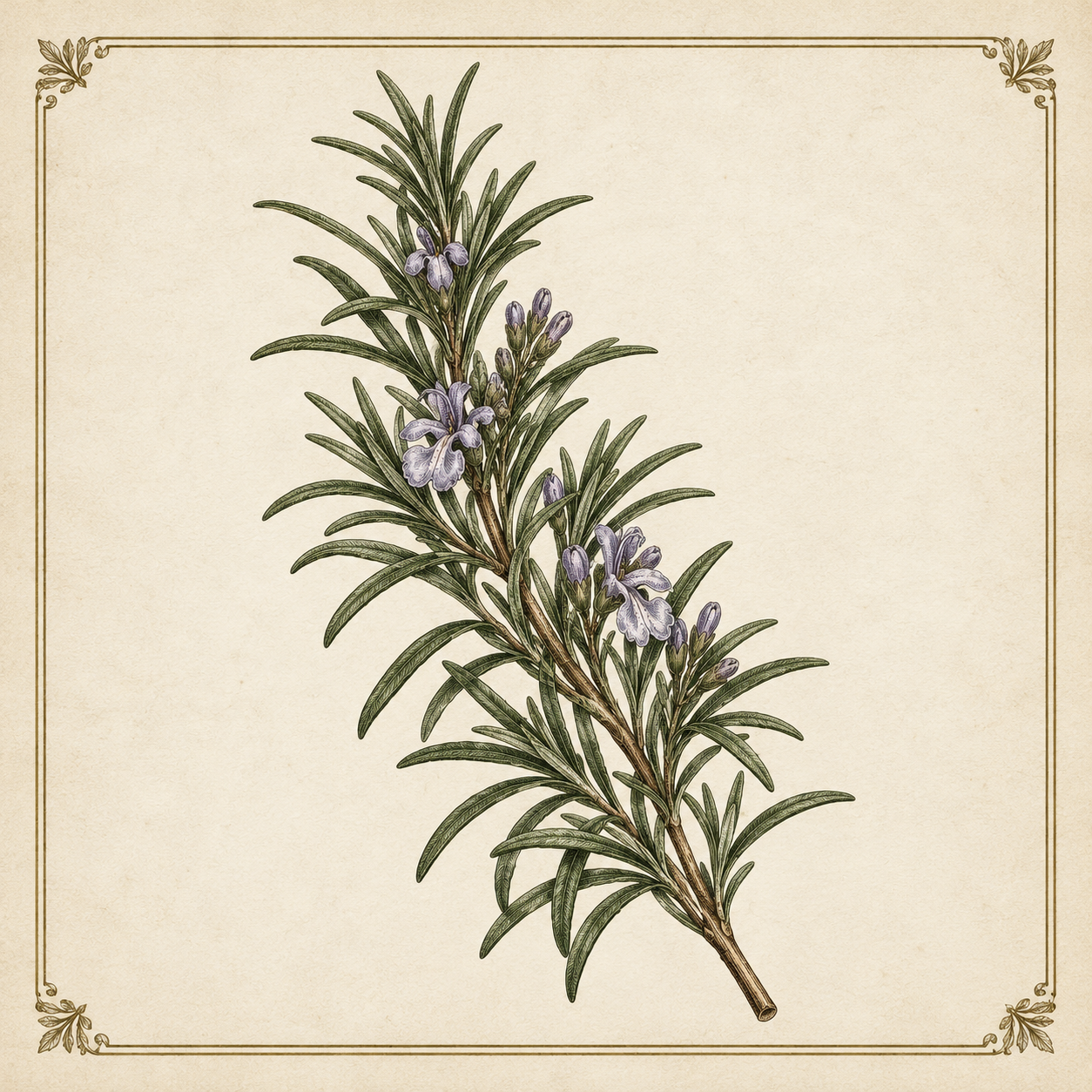
Rosemary accompanied people through some of life’s most important passages.
In Elizabethan England, it appeared at weddings and funerals, carrying good wishes for a marriage and remembrance for the dead. It could also stand as a token between friends: a fragrant reminder of someone absent.
Shakespeare’s audiences would have recognised these associations. When Ophelia offers rosemary “for remembrance” in Hamlet, she draws on a meaning already familiar to them. In Romeo and Juliet, rosemary belongs to the preparations for Juliet’s funeral.
There is something fitting about an evergreen herb holding this role. Its leaves and scent linger after picking, making it a small, tangible expression of a bond that endures.
Sage: the household’s fortune
A flourishing sage plant could reveal more than a gardener’s skill.
Wiltshire folklore linked its growth with the wellbeing of the master of the house. The herb outside and the person within were understood to prosper together.
Such beliefs made the garden a place to watch for signs. A vigorous plant might reassure; a failing one might stir concern. The household’s life extended beyond its walls into the beds and borders around it.
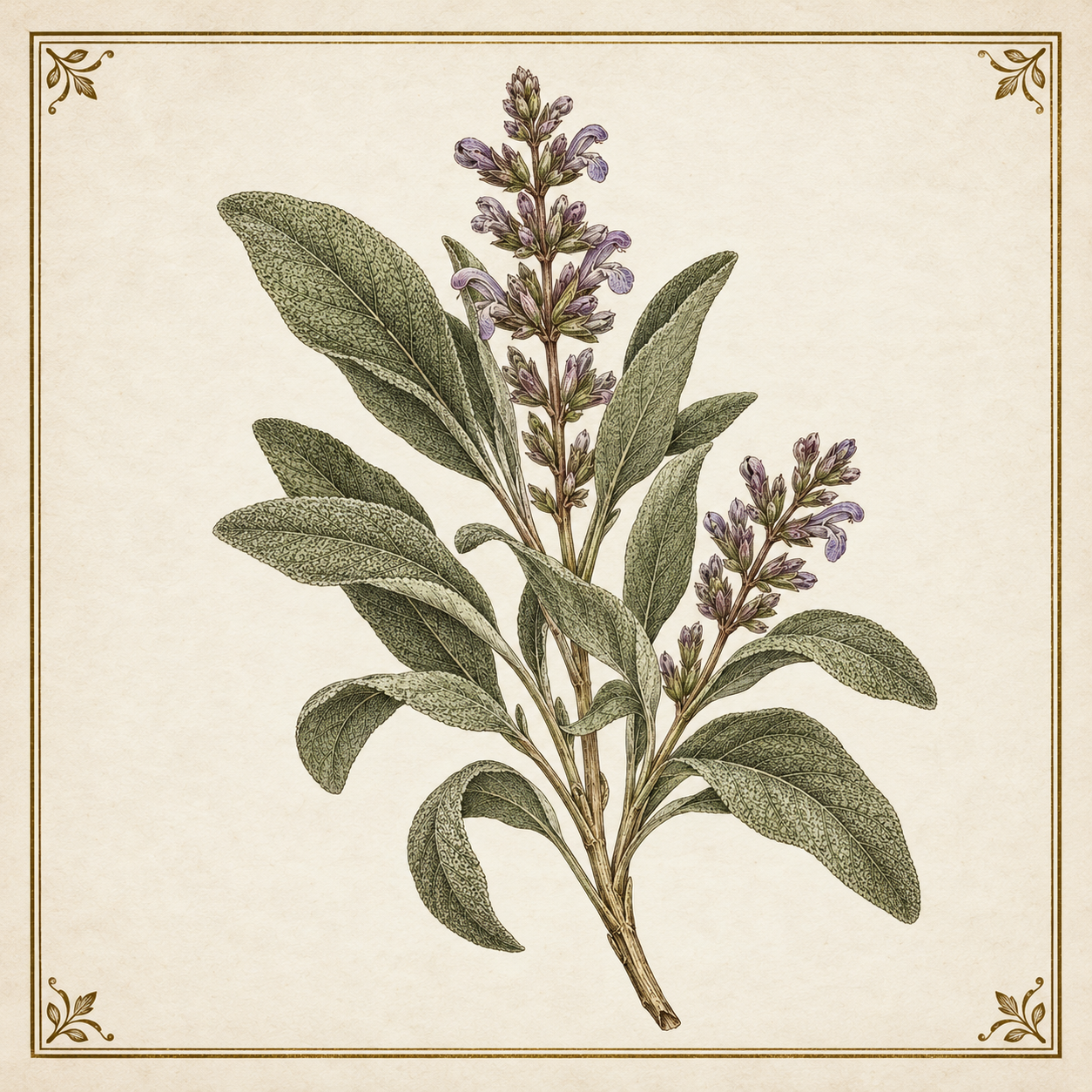
This is common garden sage, with its soft grey-green leaves: a familiar culinary plant carrying its own local history.
Parsley: the witch’s herb
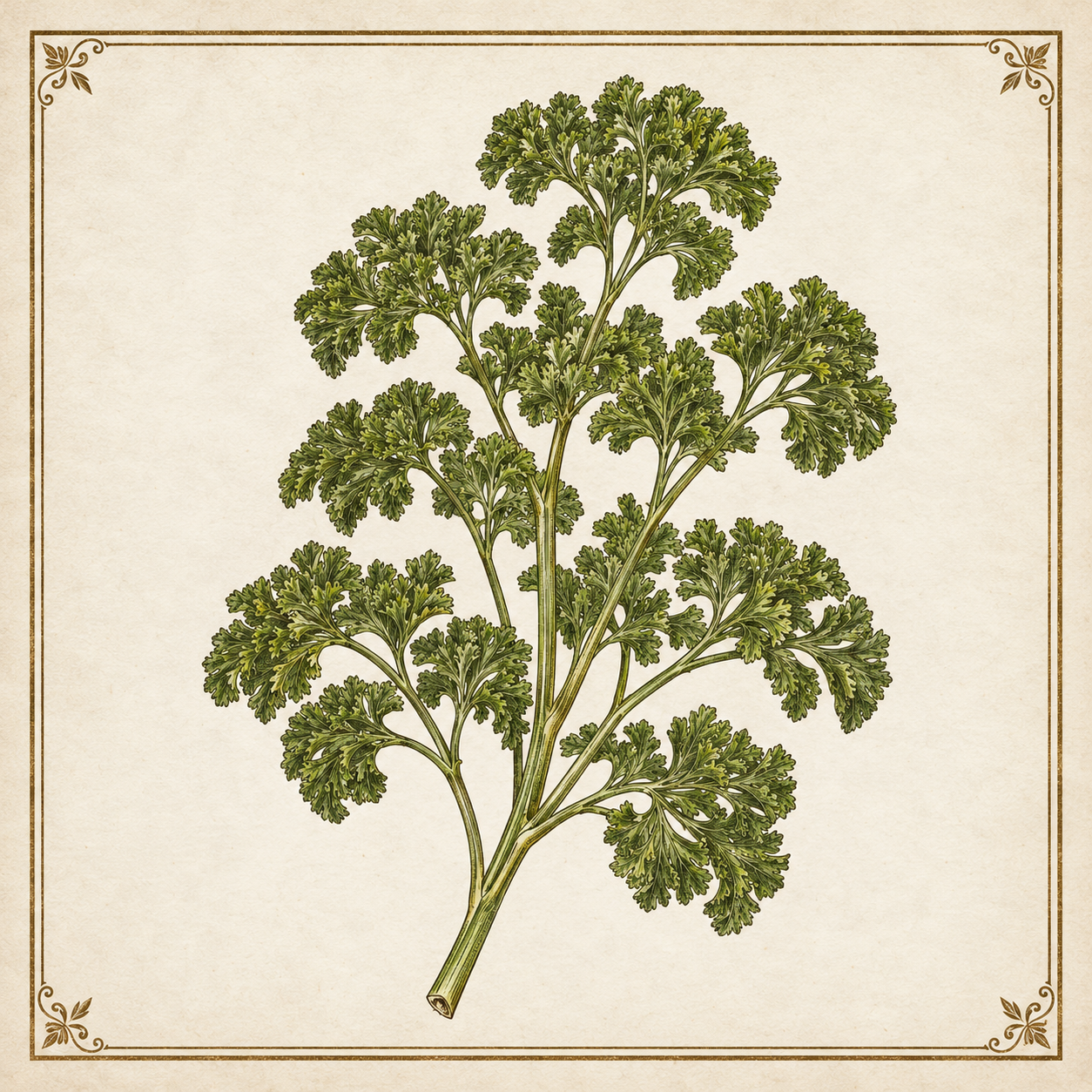
Parsley has a surprisingly unruly reputation.
In Devon, its slow appearance above ground was explained by those three visits to the Devil. Other places counted differently: Sussex traditions spoke of seven journeys, while records from Herefordshire gave nine.
There were rules about who should plant it, too. A belief recorded in Essex held that parsley grew best when sown by a witch.
In Wiltshire, gardeners were warned against moving an established parsley plant. One account recalls an older woman’s horror when asked for a root from her flourishing bed.
Beneath an ordinary garnish lies a whole tangle of dealings, taboos and troublesome luck.
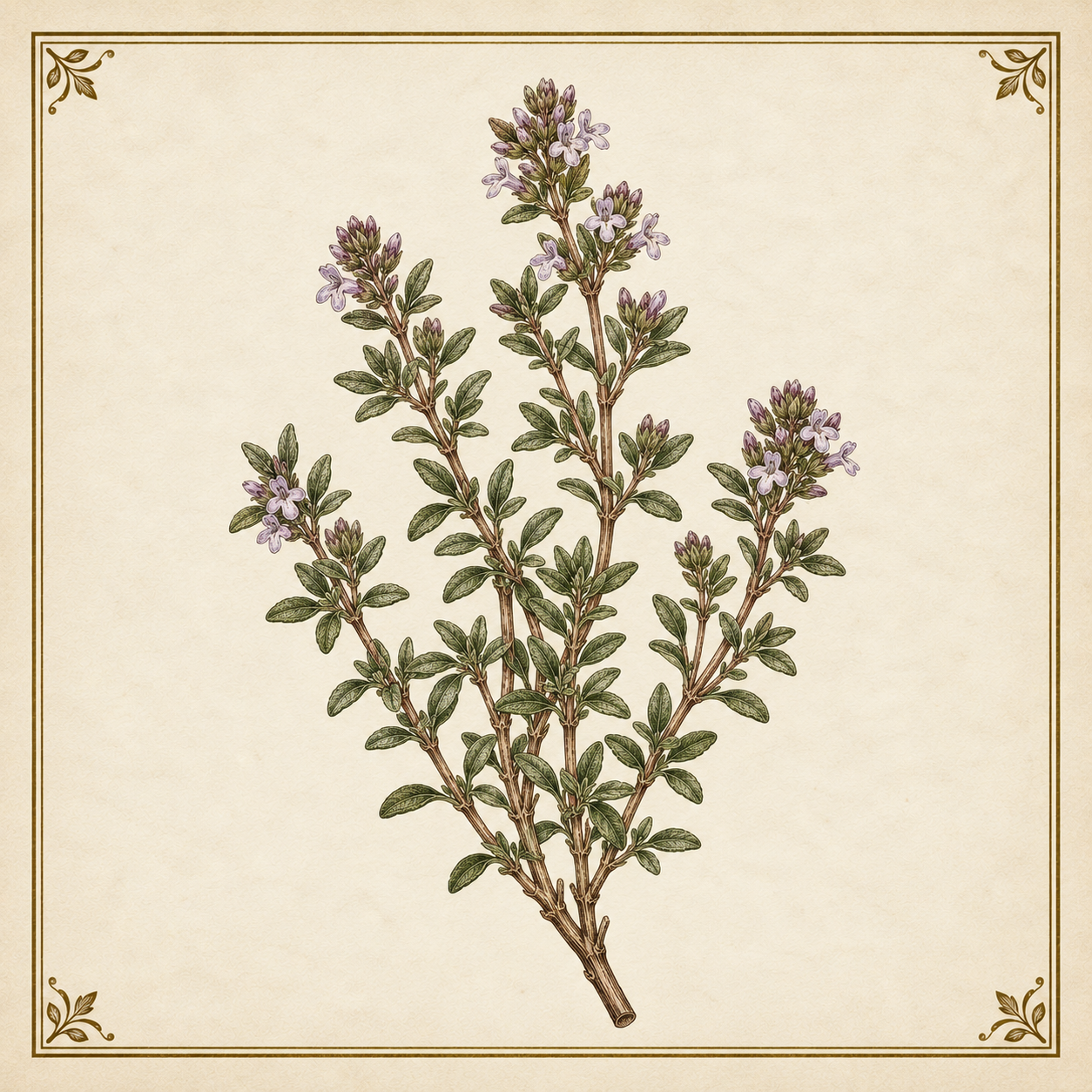
Thyme: protection in the garden
Thyme’s small leaves and delicate flowers conceal a sterner role in Welsh folklore.
Writing in 1909, the collector Marie Trevelyan described thyme among herbs grown in old-fashioned gardens for luck. These plants were believed to repel witches and fairies, keeping unwelcome supernatural visitors at a distance.
Yet their associations were not entirely defensive. Trevelyan also recorded memories of women wearing sprigs of fragrant herbs, including thyme, mint and lavender, to attract sweethearts.
A plant might guard against one kind of encounter while encouraging another. Folklore rarely keeps its meanings in tidy compartments.
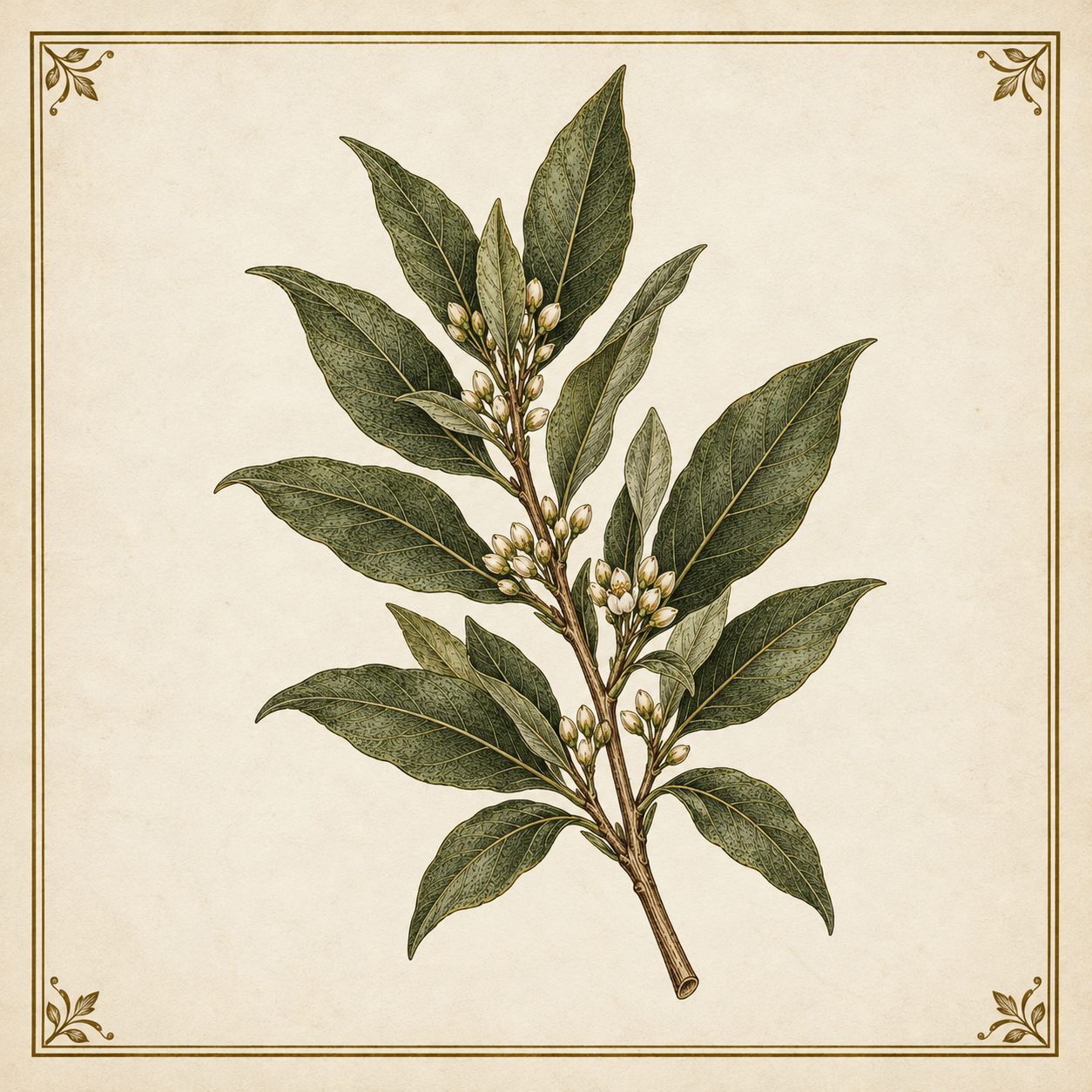
Bay: dreams of a sweetheart
On the evening before Valentine’s Day, an Englishwoman hoping to discover her future husband might turn to the bay tree.
One recorded custom called for five leaves pinned to a pillow: four at the corners and one in the centre. Dreams were then watched for signs of the marriage to come.
Other versions involved bay leaves sprinkled with rosewater. As with so many household divinations, the details changed while the wish remained much the same.
The glossy leaves used to flavour the cooking pot could also open a little window onto an imagined future.
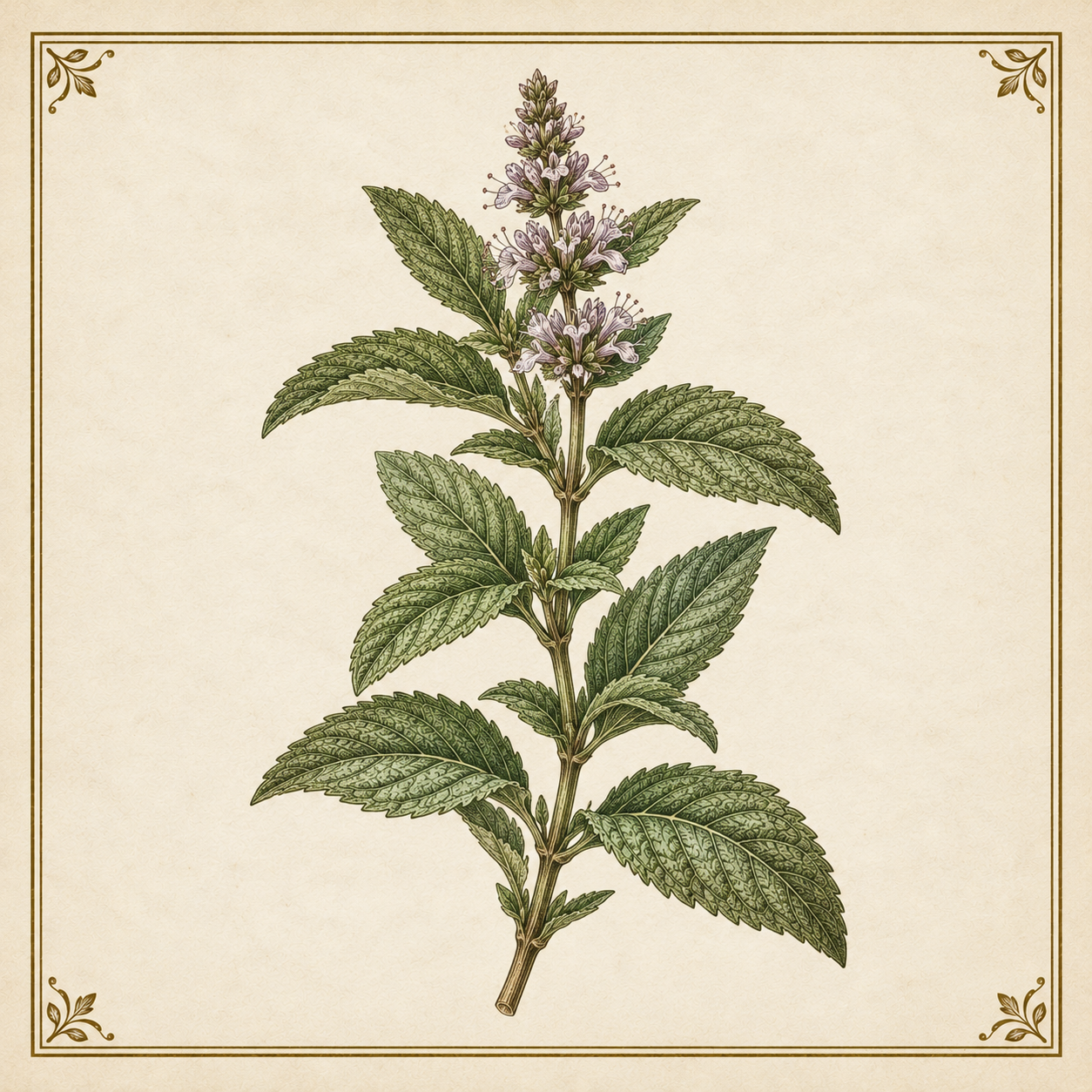
Mint: luck in your dealings
Mint’s Welsh folklore brings us back from the dreaming pillow to everyday affairs.
Trevelyan recorded that mint and peppermint leaves were worn for luck in business transactions. The fragrant herb accompanied a person into the uncertain business of making a deal.
It is a small custom, easily overlooked beside more elaborate charms. That is part of its appeal: a leaf carried close to the body, a hopeful gesture before an exchange whose outcome mattered.
Here, prosperity takes the form of an ordinary plant and a practical concern.
Bringing the stories into your own kitchen
These traditions can inspire a contemporary kitchen-witch practice without needing to repeat every old belief.
A sprig of rosemary beside a photograph might become an act of remembrance. A mint leaf drawn in a journal could mark an intention for your working life. Tending a sage plant might offer a moment to consider how your household is doing.
These are present-day interpretations, shaped by the older stories. Choose a connection that means something to you, and give it a place in the ordinary rhythm of your home.
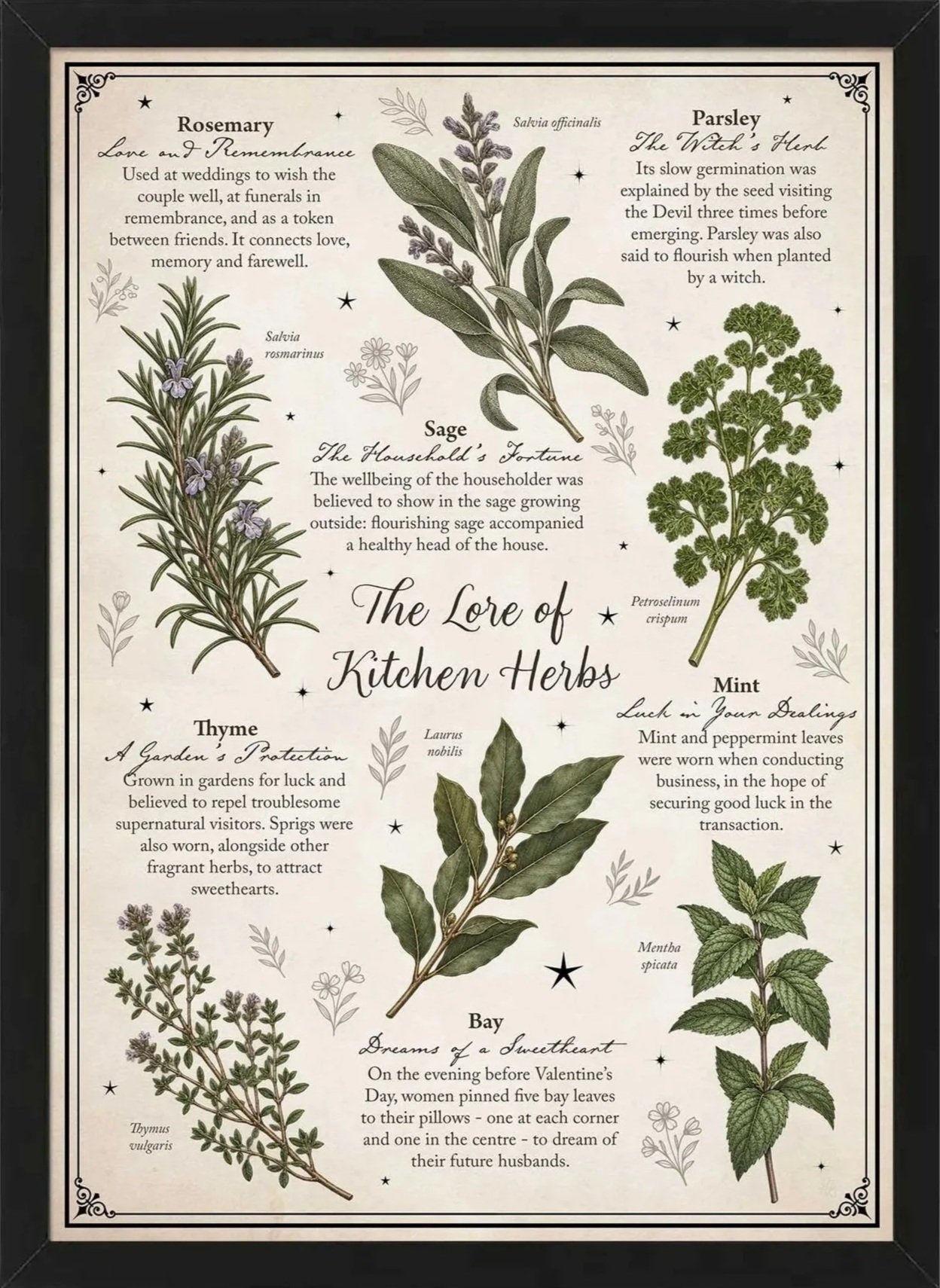
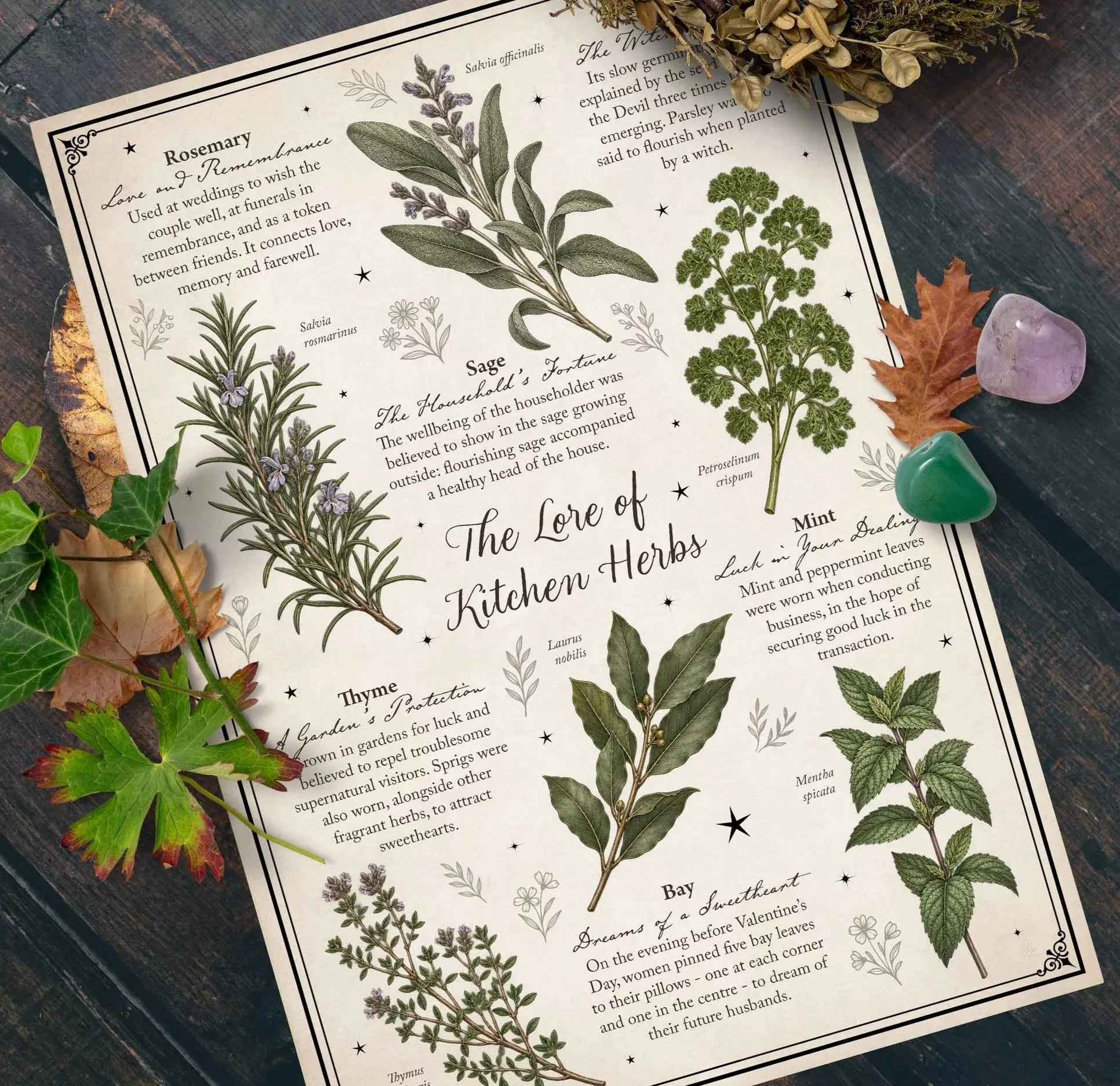
The Lore of Kitchen Herbs
These six plants come together in The Lore of Kitchen Herbs, an illustrated botanical print from Reliquary & Curios.
Rosemary, sage, parsley, thyme, bay and mint sit alongside their botanical names and short accounts of their folklore - a little gathering of garden stories for the kitchen wall.
Sources and further reading
• Shakespeare Birthplace Trust, “Why Blue Flowers Should Be Avoided” - rosemary at weddings, funerals and between friends.
• Wiltshire & Swindon History Centre, “Herbal Lore” - local sage and parsley beliefs, drawing on Kathleen Wiltshire’s folklore collection.
• Roy Vickery’s Plant-Lore Archive, “Where missus is master…” - regional parsley traditions and their recorded sources.
• Marie Trevelyan, Folk-lore and Folk-stories of Wales (1909), p. 96 - thyme, fragrant herbs and mint.
• Smithsonian Magazine, “Ten Out-of-the-Ordinary Valentine’s Day Customs” - English bay-leaf dream divination.
